
Naamkaran
The majority of cultures observe a postpartum rite of passage called Naam Karan or the naming of a child which many Hindus consider important. It is such an important event that it officially gets to give a child a name though it takes a new dimension because the child is believed to reshape their identity and destiny. Such ceremonies are often accompanied by a lot of joy and excitement together with an immense sense of the divine.
The Essence of Naming Ceremony
The procedure has some ritualistic features within the meaning and externs of blessings for the future of the child. There are times when parents go as far as seeking astrologers’ advice when naming the child to buttress the sign of the child. The name chosen is mainly no means of identification, it embodies characteristics and opportunities for the child helping him or her in the journey of living.
Cultural Significance
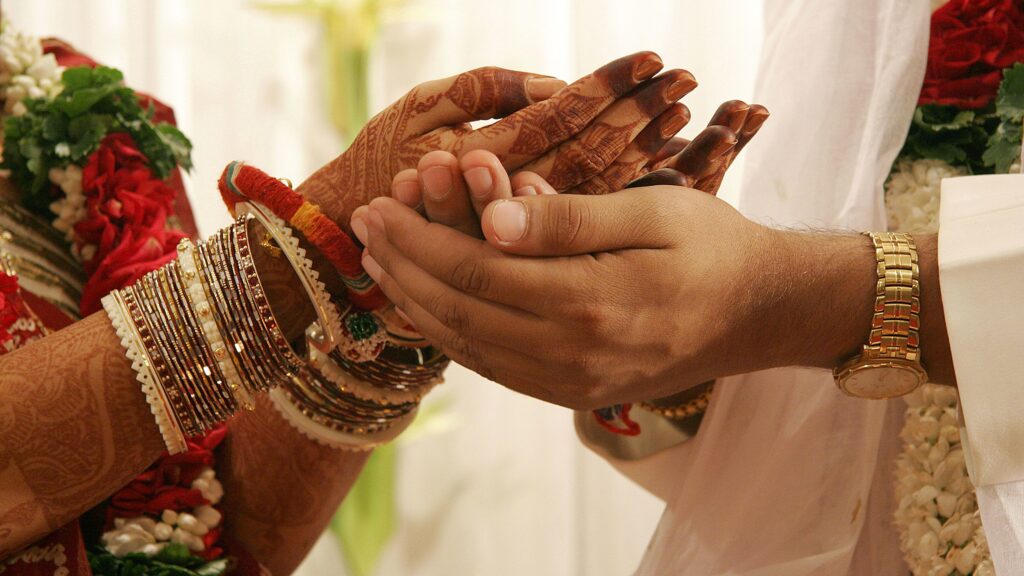
Naamkaran in itself is rather a personal event; however, it does and should extend so far as to a community event. Family members and friends are present at the ceremonial event reinforcing social relations and values. The function is usually associated with music and continental dishes and celebrations making it easy for all those involved to become happy.
The Essence of Naming Ceremony
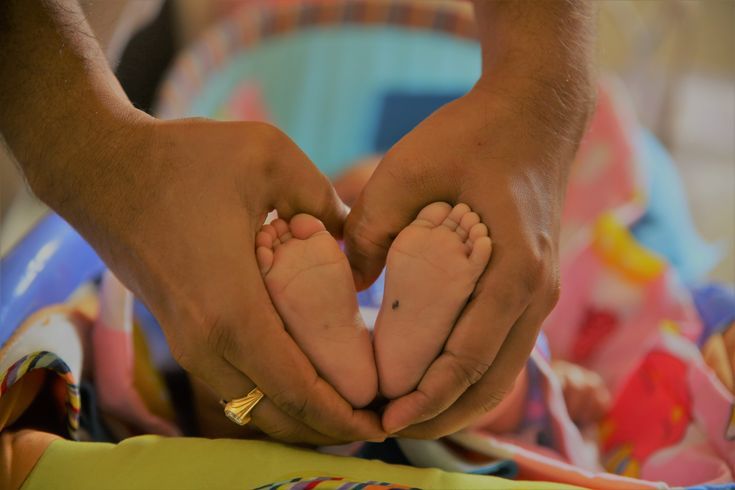
The procedure has some ritualistic features within the meaning and externs of blessings for the future of the child. There are times when parents go as far as seeking astrologers’ advice when naming the child to buttress the sign of the child. The name chosen is mainly no means of identification, it embodies characteristics and opportunities for the child helping him or her in the journey of living.
Cultural Significance
Naamkaran in itself is rather a personal event; however, it does and should extend so far as to a community event. Family members and friends are present at the ceremonial event reinforcing social relations and values. The function is usually associated with music and continental dishes and celebrations making it easy for all those involved to become happy.
Rituals Regarding Naming Ceremony
01
Havan: Means burning, a type of fire ritual that is often performed to cleanse the atmosphere along with invoking deities.
02
Blessings: The blessings received are directed by family members and priests for the child to have good health, prosperity and all goodness.
03
Name Selection: The name is mostly disclosed during the procession; this increases the level of excitement and happiness of the participants. It may also be picked from certain alphabets which are believed to correspond to the child’s astrological chart.
The process of naming a child is not only ceremonious; rather it is a declaration of love and a wish for the future. In this auspicious naming ceremony, parents create a culture by giving their child a meaningful name to foster a feeling of nesting and a sense of purpose in the child. This festivity as shown by the concepts of Ethnic Studies suggests the theology of families, societies and individuals about culture and religion.